As you enter the world of orthodontia, you’re learning a whole new vocabulary. You want to make sure you’re informed about these unfamiliar terms so you’ll understand what’s happening throughout the process.
Your orthodontist may have told you that you need to have spacers before your braces go on. What does this mean?
We’ll explain what orthodontic spacers are and what they do, and we’ll also answer any questions you might have about them as you prepare for this step.
Table of Contents
What Are Spacers in Orthodontics?
Braces are the best way to straighten crooked teeth and properly align your bite. Before getting braces, your teeth need to be prepared. One way your orthodontist may get your mouth ready for braces is by placing orthodontic spacers between certain teeth. Most people who get traditional braces will need these.
What Does an Orthodontic Spacer Do?
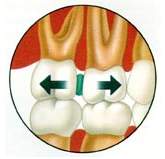
Some of your teeth may need brackets that are attached to metal bands going all the way around the tooth. The bands are usually used only on molars. If the space between your molars is very tight, it will be difficult for your orthodontist to put these bands on your teeth. Therefore, space must be opened up to fit the bands in, and this is where spacers come into play.
Orthodontic spacers stay between your teeth for several days until they have moved your teeth slightly apart — just enough to get the bands in between. You’ll need to wear the spacers 24/7 until your orthodontist removes them.
What Do Spacers Look Like?
Orthodontic spacers are very small and may be made of two different materials:
- Rubber spacers – These are small rubber nodules that go between your molars.
- Metal spacers – These are tiny metal hinges that fit between the teeth.
How Spacers Are Inserted and Removed
To insert rubber spacers between teeth, your orthodontist will use a small tool to stretch them out and then wiggle each one into place between your molars. Metal spacers are typically wedged into place using orthodontic pliers.
You may feel pressure or pinching as your spacers are moved into place. Your orthodontist will make adjustments as needed to ensure that the spacers fit properly in between your teeth.
Removal of the spacers doesn’t take long at all. If they’ve done their job, there will be a little extra space between the affected teeth and your orthodontist will be able to easily pop them out with a small tool.
Frequently Asked Questions About Orthodontic Spacers
How Long Will I Have To Wear Orthodontic Spacers?
Spacers usually stay between your teeth for several days — sometimes for as long as 10 days. The spacers will be taken out before your braces are put on.
Are Spacers More Painful Than Braces?
Many people have remarked that spacers were the worst part of the entire process and do hurt more than braces. Perhaps that’s not very encouraging, but remember, they’re only in your mouth for a short period, so you can deal with it. They’ll be in, then they’ll be out, and you’ll be done with that part. Hang in there, because you’re on your way to a better smile.
Orthodontic spacers may be painful because it feels like you have something stuck between your teeth — and you do! In some cases it may feel more than just uncomfortable; there may be aching or throbbing. If so, you can take a pain reliever (such as ibuprofen) as needed. Studies have reported that the first two days with spacers tend to be the most painful, so you can look forward to the process hurting less as more space is created between your teeth.
Are There Any Types of Food I Should Avoid While Wearing Spacers?
There are certain foods that orthodontists recommend you avoid while you’re wearing braces. These typically include hard or chewy foods such as:
- Gum
- Hard or sticky candy
- Popcorn
- Hard rolls
- Any foods that require a great deal of chewing
You should also avoid these types of foods while wearing orthodontic spacers, as they could cause the devices to fall out.
How Do I Brush and Floss My Teeth While Wearing Orthodontic Spacers?
While you have spacers in your mouth, you should brush your teeth very carefully. Rinse your mouth with water before and after brushing to help remove any pieces of food or plaque.
Don’t bother trying to floss between the teeth that have orthodontic spacers, because it will be impossible. But you can still carefully floss your other teeth.
What Do I Do if My Spacers Fall Out?
Since you won’t have your spacers in for more than a week or two, we hope that you’ll be extra careful and they’ll stay in place until you need to have them removed. If some of them do fall out before your removal appointment, contact your orthodontist to find out what to do. You may need another set installed, or it could be the case that you now have enough space between your teeth for the brackets you need.
How Much Does a Spacer Cost for Teeth?
The cost of orthodontic spacers is generally included in your overall fees for braces. Your total cost for braces generally depends on factors such as:
- How long you’ll need to wear braces
- Amount of tooth crowding or gapping
- Jaw alignment issues
- And more
To find out how much you can expect to pay for orthodontic spacers and braces, contact our office.

Biermann Orthodontics Will Be With You Every Step of the Way Through Orthodontic Spacers, Braces, and More
If you’re a resident of Beaverton or the surrounding areas who is ready for expert orthodontic care for yourself or your children, contact Biermann Orthodontics to schedule an appointment at our award-winning practice. We have transformed thousands of smiles in the nearly two decades we’ve been in business, and we’d love to help you.
Whether you need orthodontic spacers to prepare for your traditional braces or you’re interested in Invisalign or some other orthodontic treatment, you’re in good hands with Dr. Biermann and his staff. Contact us today to schedule an initial consultation.
Looking for an orthodontist in Beaverton, Oregon? Biermann Orthodontics is a cutting-edge orthodontic practice that serves Beaverton and Molalla, OR, and focuses on providing world-class customer service and efficient treatment. We strive to create stunning smiles in the shortest amount of time without ever sacrificing quality.
Visit our Locations page to find a clinic near you, or schedule an initial consultation.
Biermann Orthodontics
503-690-0722
17885 NW Evergreen Parkway, Suite 200
Beaverton, OR 97006

Will my teeth move after I’ve had braces?
/in All About Braces, Life After Braces, Orthodontic Retention, Orthodontics For Adults, Orthodontics For ChildrenAfter any orthodontic treatment, whether it be Invisalign or conventional braces, you need retainers to hold your teeth in their new positions and keep them straight.
Why wear retainers?
There is a very high likelihood of the movement of teeth after braces are removed or after Invisalign treatment, particularly within the first few months. This is because the gums and bone around your teeth need to readjust and firm up.
Also, as we age, our face matures and our jaws continue to change shape, which may result in tooth movement or crowding of the lower front teeth. Some people even believe the eruption of wisdom teeth can cause the teeth to be “pushed” forward; however, research does not substantiate this theory, as tooth movement can still occur whether you’ve had wisdom teeth removed or not.
Read more
Best Mouthwash For Braces 2015
/in Caring For Your Braces, Oral Hygiene, Preventive CareThose who wear braces have a higher risk of getting plaque formed around the brackets. As a result it can cause tooth decay. Some of the patients when they take off the braces are left with white squares on their teeth. To cover them they need to get white fillings, which costs money and time. That’s why along with brushing your teeth and flossing an important part of your oral care routine should be oral rinsing. For orthodontics a good mouthwash should contain fluoride. Below we have reviewed the best mouthwash for braces.
Read more
What’s the best Electric Toothbrush for Braces?
/in Caring For Your Braces, Oral HygieneLiving with braces can be a challenging experience for most people. According to some studies, more than 4 million people wear braces in United States alone and about a quarter of them are adults. Wearing them can take up to 3 years and keeping a proper oral hygiene during that time is even more important than without them.
Tiny spaces between teeth, braces and wires are like a magnet for foods and plaque. Poor oral hygiene can attract numerous issues like gum diseases, periodontitis and delcalcifications, leaving permanent stains and discolorations on our teeth.
“Can I use electric toothbrush on braces?”
Of course you can! Superior cleaning and plaque removal are the top two features of electric toothbrushes. They are recommended by dentists from all over the world and their customized cleaning modes make them a perfect choice for people with braces.
Read more
7 Tips to Prevent Ceramic Braces From Staining
/in Caring For Your Braces, Living With BracesCeramic braces are brackets that are made to easily blend in with your teeth hence making them unnoticeable. Unlike the metallic and clear braces, these are made to look like your teeth hence more preferred. The ceramic braces are also favored due to their ability to align teeth much faster than the metallic and clear brackets. However, as much as we would like to have these unique ceramic braces, they stain easily if not well taken care of. You need to know the factors that lead to staining beforehand, so you can prevent your ceramic braces from staining in the future. Unfortunately, some people learn through experience which should never be the case.
Brush Your Teeth After Every Meal
This cannot be emphasized enough. This is a practice that should be trained even to small children due to its importance. Making it a habit to brush your teeth with braces immediately after meals ensures that the food color and flavors are washed off hence leaving the mouth clean. This will also prevent tooth decay which is higher due to food getting trapped in between brackets.
Read more
About Rubber Bands for Braces
/in All About Braces, Living With BracesOrthodontic braces perfect your smile by applying constant, steady pressure to move your teeth into proper position. The brackets and wires attached to your teeth are limited in the direction of the applied force, however. Some situations, particularly to correct bite problems, require the upper and lower rows of teeth to move relative to each other. Rubber bands, or elastics, hooked to the brackets apply tension in directions brackets and wires cannot achieve alone.
Purpose
Elastics apply constant pressure to align the teeth in a perfect bite, states the website Rubber Bands for Braces. The lower jaw must move relative to the upper teeth for proper alignment. Braces alone only move teeth along the upper or lower arch.
Read more
Types of Braces for Teenagers
/in Do I Need Braces?, Teens & BracesBraces have come a long way since the days when big metal bands were connected to a wire in your mouth. Today, the wire is still there, but small metal or ceramic brackets have replaced the clunky bands. Another change is that many teens make a statement with their braces, according to Mamashealth.com. They often use school or holiday colors for their main wire or for attachments such as elastic ties and rubber bands.
Metal
Traditional stainless steel braces are often used because they’re less inexpensive than many of the newer alternatives, according to Safedentistry.co.uk. Archwired.com says most metal braces use ligatures, or elastic rubber bands, to connect the brackets to the main wire, called an arch wire. Other metal brackets don’t require the rubber bands and are known as “self-ligating.” Read more
Tooth Braces and Pain
/in Living With BracesBraces are a fact of life for many people—according to a study done by Orthodontics.org, approximately 4 million people in the United States are under orthodontic care at any given time, and 80 percent of teenagers will wear braces. Braces can cause tooth pain, though it’s typically not severe and doesn’t last for very long.
What Are Braces For?
Braces help straighten crooked teeth, close gaps and spaces, and correct over-bites and under-bites. They’re typically worn by younger teenagers, but can be put on at any age. Depending on the severity of the correction, braces come in several different styles, including metal, clear, behind-the-teeth and “invisible.”
How Do Braces Work?
According to KidsHealth.org, standard braces straighten teeth with a combination of metal brackets, wires and rubber bands. Metal brackets are glued to the front of the teeth and then connected with a wire that helps move teeth side to side. Colored rings called litigating modules go around the brackets to hold the wires in place, and can be changed frequently to match outfits or for holidays. Rubber bands are used to move teeth forward and backward and can be stretched from front teeth back to molars, or from top teeth to bottom teeth.
Read more
What Are Orthodontic Spacers and How Do They Work?
/in About Orthodontics, Living With BracesAs you enter the world of orthodontia, you’re learning a whole new vocabulary. You want to make sure you’re informed about these unfamiliar terms so you’ll understand what’s happening throughout the process.
Your orthodontist may have told you that you need to have spacers before your braces go on. What does this mean?
We’ll explain what orthodontic spacers are and what they do, and we’ll also answer any questions you might have about them as you prepare for this step.
Table of Contents
What Are Spacers in Orthodontics?
Braces are the best way to straighten crooked teeth and properly align your bite. Before getting braces, your teeth need to be prepared. One way your orthodontist may get your mouth ready for braces is by placing orthodontic spacers between certain teeth. Most people who get traditional braces will need these.
What Does an Orthodontic Spacer Do?
Some of your teeth may need brackets that are attached to metal bands going all the way around the tooth. The bands are usually used only on molars. If the space between your molars is very tight, it will be difficult for your orthodontist to put these bands on your teeth. Therefore, space must be opened up to fit the bands in, and this is where spacers come into play.
Orthodontic spacers stay between your teeth for several days until they have moved your teeth slightly apart — just enough to get the bands in between. You’ll need to wear the spacers 24/7 until your orthodontist removes them.
What Do Spacers Look Like?
Orthodontic spacers are very small and may be made of two different materials:
How Spacers Are Inserted and Removed
To insert rubber spacers between teeth, your orthodontist will use a small tool to stretch them out and then wiggle each one into place between your molars. Metal spacers are typically wedged into place using orthodontic pliers.
You may feel pressure or pinching as your spacers are moved into place. Your orthodontist will make adjustments as needed to ensure that the spacers fit properly in between your teeth.
Removal of the spacers doesn’t take long at all. If they’ve done their job, there will be a little extra space between the affected teeth and your orthodontist will be able to easily pop them out with a small tool.
Frequently Asked Questions About Orthodontic Spacers
How Long Will I Have To Wear Orthodontic Spacers?
Spacers usually stay between your teeth for several days — sometimes for as long as 10 days. The spacers will be taken out before your braces are put on.
Are Spacers More Painful Than Braces?
Many people have remarked that spacers were the worst part of the entire process and do hurt more than braces. Perhaps that’s not very encouraging, but remember, they’re only in your mouth for a short period, so you can deal with it. They’ll be in, then they’ll be out, and you’ll be done with that part. Hang in there, because you’re on your way to a better smile.
Orthodontic spacers may be painful because it feels like you have something stuck between your teeth — and you do! In some cases it may feel more than just uncomfortable; there may be aching or throbbing. If so, you can take a pain reliever (such as ibuprofen) as needed. Studies have reported that the first two days with spacers tend to be the most painful, so you can look forward to the process hurting less as more space is created between your teeth.
Are There Any Types of Food I Should Avoid While Wearing Spacers?
There are certain foods that orthodontists recommend you avoid while you’re wearing braces. These typically include hard or chewy foods such as:
You should also avoid these types of foods while wearing orthodontic spacers, as they could cause the devices to fall out.
How Do I Brush and Floss My Teeth While Wearing Orthodontic Spacers?
While you have spacers in your mouth, you should brush your teeth very carefully. Rinse your mouth with water before and after brushing to help remove any pieces of food or plaque.
Don’t bother trying to floss between the teeth that have orthodontic spacers, because it will be impossible. But you can still carefully floss your other teeth.
What Do I Do if My Spacers Fall Out?
Since you won’t have your spacers in for more than a week or two, we hope that you’ll be extra careful and they’ll stay in place until you need to have them removed. If some of them do fall out before your removal appointment, contact your orthodontist to find out what to do. You may need another set installed, or it could be the case that you now have enough space between your teeth for the brackets you need.
How Much Does a Spacer Cost for Teeth?
The cost of orthodontic spacers is generally included in your overall fees for braces. Your total cost for braces generally depends on factors such as:
To find out how much you can expect to pay for orthodontic spacers and braces, contact our office.
Biermann Orthodontics Will Be With You Every Step of the Way Through Orthodontic Spacers, Braces, and More
If you’re a resident of Beaverton or the surrounding areas who is ready for expert orthodontic care for yourself or your children, contact Biermann Orthodontics to schedule an appointment at our award-winning practice. We have transformed thousands of smiles in the nearly two decades we’ve been in business, and we’d love to help you.
Whether you need orthodontic spacers to prepare for your traditional braces or you’re interested in Invisalign or some other orthodontic treatment, you’re in good hands with Dr. Biermann and his staff. Contact us today to schedule an initial consultation.
Looking for an orthodontist in Beaverton, Oregon? Biermann Orthodontics is a cutting-edge orthodontic practice that serves Beaverton and Molalla, OR, and focuses on providing world-class customer service and efficient treatment. We strive to create stunning smiles in the shortest amount of time without ever sacrificing quality.
Visit our Locations page to find a clinic near you, or schedule an initial consultation.
Biermann Orthodontics
503-690-0722
17885 NW Evergreen Parkway, Suite 200
Beaverton, OR 97006
A Smile Makeover Can Help Boost Self-Confidence
/in Positive LivingProjecting a healthy, radiant smile can help boost self-confidence and lead to increased comfort and success in both personal and career-oriented situations. Yet, many people are unhappy with their less-than-pearly whites, causing them to avoid social interaction and even lose out on opportunities because they are too self-conscious.
Your dissatisfaction with the appearance of your teeth may also be causing you to stifle one of nature’s most endearing and intrinsic impulses, simply smiling!
Read more
What Are the Different Methods of Teeth Whitening?
/in Teeth WhiteningBefore you consider teeth whitening methods, it’s important to understand how they work, in order to make an informed decision that best suites your teeth whitening needs. Choosing a whitening method for your teeth can be confusing and overwhelming, with so many teeth whitening products available on the market today. Over-the-counter or from your dentist, it is often challenging, deciding what teeth whitening option is best for your situation. Learn about the three methods used for teeth whitening, and decide which one will best suite your teeth whitening needs.
What is Professional In-Office Teeth Whitening?
Professional in-office teeth whitening is exactly that; professionally done by your dentist. Often regarded as the best option available for teeth whitening, because it is done in a controlled environment and is supervised by a dentist using a high concentration of Hydrogen Peroxide or Carbamide Peroxide . This method is perfect for someone that desires the optimum results in the shortest amount of time, since results are seen in as little as one hour. Although considered expensive and it is not typically covered under a dental insurance plan, the convenience and results achieved may prove worth the extra cost.
Read more