Call To Schedule: (503) 690-0722
Biermann Orthodontics
  • New Patients
  • About Us
    • Neighborhoods We Serve
    • Dr. Matthew Biermann
    • Meet the Team
  • Invisalign®
    • Top Teeth
    • Bottom Teeth
    • Crooked Teeth
    • Crowded Teeth
    • Gap in Front Teeth
    • Overbite
    • Underbite
  • Braces
    • Top Teeth
    • Bottom Teeth
    • Crooked Teeth
    • Crowded Teeth
    • Gap Teeth
    • Overbite Correction
    • Underbite
    • Open Bite
  • Orthodontics
    • Ortho For Adults
    • Ortho For Teens
    • Ortho For Kids
    • Jaw Alignment
  • Treatments
    • Common Treatments
    • TAD’s
    • Digital X-rays
    • Dentofacial Orthopedics
    • Surgical Orthodontics
  • Reviews
  • Contact
    • Appointment Request
  • Menu Menu
  • Link to Facebook
  • Link to Youtube

Can Invisalign Cause Gum Recession? The Risks of Improper Invisalign Care

May 27, 2026/in Uncategorized

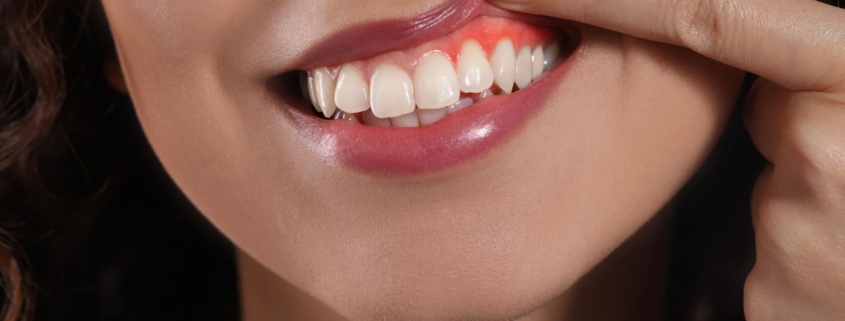
You catch your reflection and pause for a second. The aligners are barely noticeable, just like you hoped. But something feels off. Your gumline looks a little different than it did before. Maybe a little higher. Maybe a little uneven. It is enough to make you look twice.

Clear aligners make orthodontic treatment feel easy and low-key. No brackets. No wires. Just smooth trays doing their job in the background. Still, small changes can raise big questions.

Is this part of the process? Or something to be concerned about?

Worried about gum recession with Invisalign? Discover what may cause it, how to prevent it, and how to keep your smile healthy throughout treatment.

 

Read more

https://www.mcbiermann.com/wp-content/uploads/2026/05/can-invisalign-cause-my-teeth-to-recede.jpg 1000 1750 portlandseogrowth https://www.mcbiermann.com/wp-content/uploads/2014/09/lgoo.png portlandseogrowth2026-05-27 15:46:372026-06-01 14:32:00Can Invisalign Cause Gum Recession? The Risks of Improper Invisalign Care
Invisible Braces

Invisible Aligners for Teeth

December 28, 2015/in Uncategorized

Everybody wants a great smile, but a lot of us need help getting there. More and more people are having success with clear orthodontic devices called aligners.

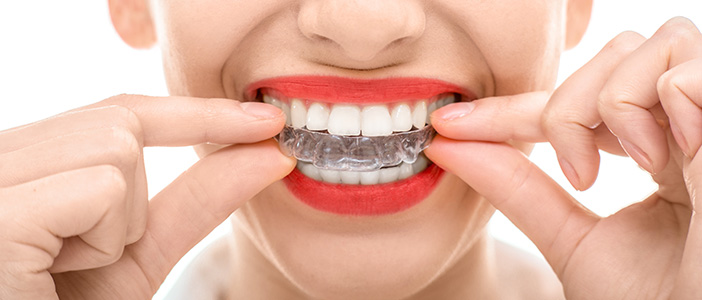
Braces use brackets connected by wires to encourage teeth to move. Aligners are a series of tight-fitting custom-made retainers that slip over the teeth. Invisalign is the largest producer of clear aligners, but it’s not the only brand. Others include Clear Correct, Inman Aligner, and Smart Moves.

Clear (or “invisible”) aligners aren’t for everyone. Biermann Orthodontics can help you decide what’s best for you.

Can anyone get invisible teeth aligners?

Because the invisible aligners are custom-built for a tight fit, they are best for adults or teens. Straightening a child’s teeth is more complicated. Young people, and their mouths, are still growing and developing; the doctor must think about this when setting up treatment.

Read more

https://www.mcbiermann.com/wp-content/uploads/2015/12/invisible-braces.jpg 300 702 mbiermann https://www.mcbiermann.com/wp-content/uploads/2014/09/lgoo.png mbiermann2015-12-28 08:19:472015-12-28 08:19:47Invisible Aligners for Teeth
Top 5 Embarrassing Oral Health Problems...Solved!

Top 5 Embarrassing Oral Health Problems…Solved!

June 27, 2015/in Uncategorized

Stinky breath, unsightly mouth sores, and tooth decay: We’ve got a solution for all of your dental-health dilemmas.

The best way to keep your mouth, teeth, and gums looking and feeling great? Your daily brushing and flossing routine, combined with a balanced diet and regular dental visits.

But following these oral hygiene commandments isn’t always enough. Many common oral-health problems, such as bad breath, tooth decay, erosion, receding gums, and mouth sores, can leave people feeling both physically uncomfortable and reluctant to smile. Fortunately, with the right treatments these embarrassing oral-health problems can be solved! Check out these remedies from the American Dental Association (ADA):

Read more

https://www.mcbiermann.com/wp-content/uploads/2015/06/common-oral-health-issues.jpg 300 702 mbiermann https://www.mcbiermann.com/wp-content/uploads/2014/09/lgoo.png mbiermann2015-06-27 00:47:212015-06-27 00:47:21Top 5 Embarrassing Oral Health Problems…Solved!
Dental Pulp Disease

Dental Pulp Diseases: The Basics

June 17, 2015/in Uncategorized

Poor dental hygiene is the main reason for tooth decay, tooth pain, and other oral health conditions. If you don’t maintain good oral health habits, including brushing and flossing regularly, plaque can develop and lead to cavities. Left untreated, a cavity can eventually affect the soft center (or pulp) of your tooth, which contains sensitive nerves and delicate blood vessels. And if pulp diseases aren’t properly managed, you can lose your teeth.

Symptoms of Pulp Diseases

Depending on the type of pulp disease, symptoms may vary in intensity and can include:

  • Pain in a tooth or teeth when you eat something very sweet, hot, or cold
  • Sudden, intense pain in the mouth
  • Infection in the mouth

Read more

https://www.mcbiermann.com/wp-content/uploads/2015/06/dental-pulp-disease.jpg 300 702 mbiermann https://www.mcbiermann.com/wp-content/uploads/2014/09/lgoo.png mbiermann2015-06-17 01:36:132015-06-17 01:36:13Dental Pulp Diseases: The Basics
Prevent Teeth Grinding

How to Prevent Teeth Grinding

June 9, 2015/in Uncategorized

Are you grinding your teeth at night? The condition, called bruxism, can be a painful problem if it goes untreated.

You may not even know you’re doing it. But if you wake in the morning with jaw pain, headaches, or chipped enamel on your teeth, you might be grinding your teeth in your sleep, a condition called bruxism.

Understanding Bruxism

In most instances, teeth grinding is a nighttime problem – if you have bruxism, you’re likely doing it while you’re asleep and might not realize it. “Many times, someone’s spouse or partner is the first one to notice the bruxism due to the terrible grinding sounds it makes when the person is sleeping,” says Timothy Chase, DMD, a cosmetic dentist in New York City.

Researchers still aren’t exactly sure why bruxism occurs in some people, but there are a number of theories. “Studies have suggested that nocturnal bruxism is mediated by the central nervous system and is linked to sleep arousal patterns, brain chemistry, certain drugs, alcohol, smoking, and genetic factors,” says Karyn Kahn, DDS, a dentist with the Cleveland Clinic. “Medications, such as SSRIs that affect dopaminergic systems, have been associated with bruxism. Personality and psychological factors, stress, and anxiety have been shown in some studies to affect bruxism in some individuals.”

Read more

https://www.mcbiermann.com/wp-content/uploads/2015/06/teeth-grinding.jpg 300 702 mbiermann https://www.mcbiermann.com/wp-content/uploads/2014/09/lgoo.png mbiermann2015-06-09 22:53:522015-06-09 22:53:52How to Prevent Teeth Grinding
Why Do We Have Wisdom Teeth

Why Do We Have Wisdom Teeth?

May 15, 2015/in Uncategorized

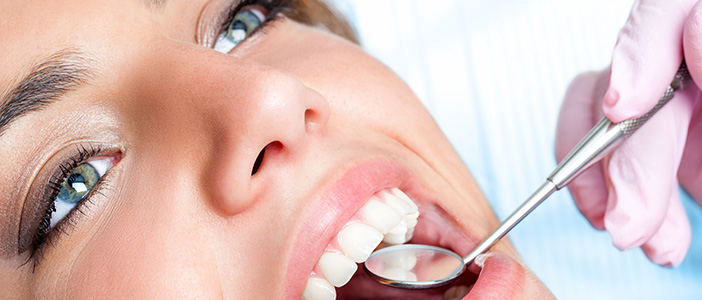
The last teeth to develop can cause havoc for the rest of your healthy mouth. Yet there’s growing controversy about whether we really need to have them taken out.

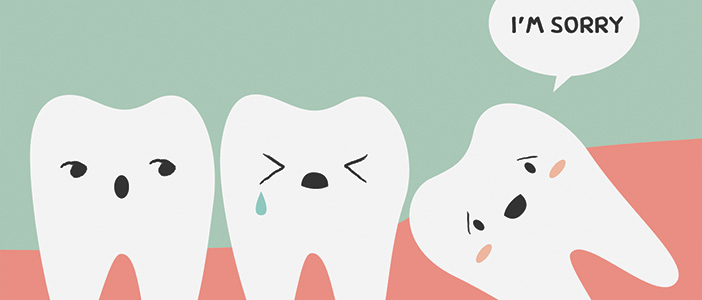
Just as you enter adulthood, your wisdom teeth make their presence known in the far reaches of your mouth. Wisdom teeth — officially the third molars — are the last set of teeth to come in, usually between 17 and 25 years of age, in the so-called “age of wisdom.”

For some, these teeth come in fine. For many others, wisdom teeth don’t come in properly (if at all), are vulnerable to disease, and need to be removed to protect a healthy mouth.

It’s estimated that 95 percent of American 18-year-olds “have wisdom teeth, and most of them have little if any chance to function in a normal manner,” says Louis Rafetto, DMD, an oral and maxillofacial surgeon in Wilmington, Del.

So if wisdom teeth are virtually useless in millions of mouths, why do we have them? One theory lies in the mouths of our ancestors. Early humans needed an extra row of teeth to chew their food: a diet of uncooked, hard items like roots, nuts, and meat. “I’m not an expert on anthropology, but clearly the need for and utility of wisdom teeth in the past exceeds that of the need of today,” says Dr. Rafetto.

Read more

https://www.mcbiermann.com/wp-content/uploads/2015/05/wisdom-teeth.jpg 300 702 mbiermann https://www.mcbiermann.com/wp-content/uploads/2014/09/lgoo.png mbiermann2015-05-15 23:13:492015-05-15 23:13:49Why Do We Have Wisdom Teeth?

Categories

  • About Orthodontics
  • All About Braces
  • Before & After
  • Caring For Your Braces
  • Cosmetic Dentistry
  • Dental Education
  • Do I Need Braces?
  • General Care
  • Healthy Living
  • Holiday Tips
  • Implants
  • Invisalign
  • Life After Braces
  • Living With Braces
  • Oral Health
  • Oral Hygiene
  • Orthodontic Retention
  • Orthodontics
  • Orthodontics For Adults
  • Orthodontics For Children
  • Positive Living
  • Preventive Care
  • Teens & Braces
  • Teeth Whitening
  • Tips & Tricks
  • Uncategorized
  • Updates From Biermann
Popular
  • Misconceptions About Orthodontics | Biermann Orthodontics
    Misconceptions About OrthodonticsDecember 24, 2014 - 6:41 am
  • Orthodontics for Children
    A Child’s First Orthodontist VisitDecember 24, 2014 - 7:16 am
  • Braces for Adults
    Straight Talk About Braces for AdultsDecember 24, 2014 - 7:51 am
Recent
  • invisalign cost portland
    The Straight Talk on Invisalign Costs in Portland: What...July 29, 2026 - 7:43 pm
  • Does Invisalign Treatment Hurt? Honest Answers and Tips...June 24, 2026 - 4:15 pm
  • Can Invisalign Cause Gum Recession? The Risks of Improper...May 27, 2026 - 3:46 pm
Comments
Tags

EXPLORE

  • HOME
  • ABOUT US
  • NEW PATIENTS
  • ALL ABOUT BRACES
  • TREATMENTS
  • BLOG
  • CONTACT US
Biermann Orthodontics | 17885 NW Evergreen Place, Suite 200 Beaverton, OR 97006 | 503-690-0722 | office@mcbiermann.com | Site by Kistner Group | Digital Marketing by SEO Growth Partners | Leave us a review on Google! - Enfold Theme by Kriesi
  • Link to Facebook
  • Link to Youtube
Scroll to top Scroll to top Scroll to top