
Mind the Gap: Invisalign Solutions if You’re Missing a Tooth

A missing tooth can feel like the plot twist you didn’t ask for in your smile story.

If you’ve been considering Invisalign, you might be wondering if that gap puts your plans on hold. Short answer? Not necessarily.

A missing tooth affects more than just how you look. Over time, teeth can shift, affecting your bite and complicating your alignment. Modern orthodontic treatment addresses these changes, correcting both gaps and the resulting tooth movement.

We’ll break down how Invisalign can still be a great option, how treatment plans are customized when a tooth is missing, and what your path to a straighter, more confident smile could look like.


Table of Contents

Can You Get Invisalign With a Missing Tooth?

Yes, in most cases, Invisalign is still a great option if you’re missing a tooth.

Your orthodontist will look at how the missing tooth affects spacing, alignment, and bite. In some cases, Invisalign can close the gap. In others, it’s used to maintain or create proper space for a future implant or bridge.

This level of customization is standard at Biermann Orthodontics. Our team regularly treats complex orthodontic cases and designs Invisalign plans that support both aesthetics and long-term function.

The first step is a consultation to evaluate your specific situation and map out a clear plan.

What To Expect at Your Invisalign Consultation

Your consultation should be thorough, efficient, and tailored to you.

Here’s what you can expect:

  • Digital 3D scans: These create an accurate model of your teeth and the space left by the missing tooth.
  • X-rays for a deeper view: X-rays help assess bone health, tooth roots, and surrounding structures (especially necessary if you’re considering a future implant). 
  • Evaluation of spacing and bite alignment: Your orthodontist will look at how the missing tooth has impacted nearby teeth and your overall bite.
  • A conversation about your goals: Whether you want to close the gap or prepare for a restoration, your goals guide the treatment plan.

When it comes to teeth, there’s no template. Orthodontists design plans specifically for your smile and anatomy. 

Our patients appreciate the clarity and responsiveness throughout the consultation process. You’ll leave Biermann Orthodontics with a solid understanding of your options and next steps.

How a Missing Tooth Affects Your Treatment Plan

Not all gaps are created equal. A space in the front of your smile requires a different approach than one in the back.

This is because teeth play specific roles based on their location. Front teeth are more visible and guide how your smile looks, while back teeth handle most of the force when you chew. These changes affect how your teeth come together, which is why your orthodontist plans movements carefully based on where the gap is and how it impacts your overall bite.

Closing the Gap With Invisalign

This is more common when the missing tooth is a premolar or a back tooth, where closing space won’t compromise your bite or smile aesthetics. Invisalign gradually shifts the surrounding teeth into position to eliminate the gap and create a balanced, functional result.

For front teeth, this approach is less common. Closing a visible gap in the front depends heavily on your bite, tooth proportions, and overall alignment. The goal is always to create a natural-looking smile, not force a solution that looks or feels off.

Holding Space for a Future Implant or Bridge

If you’re planning to replace the missing tooth, the goal shifts from closing the gap to preserving it.

Invisalign can align the surrounding teeth while maintaining the right amount of space for a future implant or bridge. This ensures everything is in the correct position before the restoration is placed.

This step is important. Dental implants, in particular, require proper spacing and healthy bone support to be successful. Orthodontic treatment helps set that foundation, so your final result looks effortless and performs well.

At Biermann Orthodontics, we’re not only focused on straightening teeth, but on preparing you for the best long-term outcome.

Invisalign With a Missing Tooth FAQs

How Does Invisalign Work if You Have a Missing Tooth?

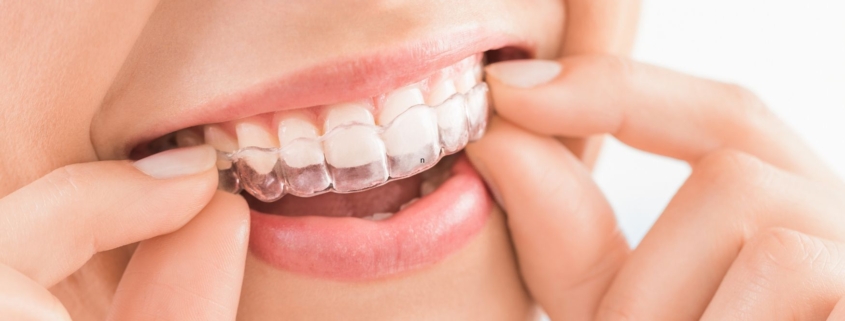
Invisalign aligners are custom-made to fit your teeth, including any gaps. Depending on your treatment plan, they’re designed to either maintain space or gradually shift surrounding teeth into better alignment.

Each aligner is built from precise digital scans of your smile. If you have a missing tooth, that space is accounted for from the start. The aligners apply controlled pressure to specific teeth, guiding movement while keeping your overall plan on track.

If your goal is to close the gap, the aligners will move nearby teeth into position over time. If you’re planning for an implant or bridge, they’ll hold that space while improving alignment around it.

What Types of Missing Teeth Can Invisalign Work Around?

Invisalign can be adapted to a range of missing tooth conundrums. 

Common scenarios include:

  • Congenitally missing teeth: Some patients are born without certain permanent teeth. Invisalign can help manage spacing, either by closing gaps or preparing for future restorations.
  • Tooth loss from decay or injury: If a tooth has been lost due to damage or decay, Invisalign can realign surrounding teeth and stabilize spacing before the next step in treatment.
  • Previously extracted teeth: Whether the extraction was recent or years ago, Invisalign can address shifting that may have already occurred and create a more balanced bite.

At Biermann Orthodontics, these cases are common. Many patients come in with spacing concerns tied to missing teeth, and treatment plans are built to address both function and appearance.

Will My Aligner Fit Properly Over a Gap?

Yes, Invisalign aligners are designed to fit your teeth exactly as they are, gaps and all.

Using detailed digital scans, each aligner is shaped to your current dental structure. That means it will sit securely over your teeth and account for any missing areas.

As your teeth move, new aligners are created to match each stage of progress. The fit stays consistent throughout treatment, even as spacing changes.

Can I Get Invisalign While Waiting for an Implant?

Yes, and in many cases, it’s recommended. Invisalign can be used to align your teeth and maintain proper spacing while you prepare for an implant. 

Because implants require stable bone and precise spacing, orthodontic treatment often comes first. At Biermann Orthodontics, your plan is designed with that full timeline in mind so everything works together seamlessly.

Missing a Tooth? Biermann Orthodontics Can Still Give You a Straighter Smile

A missing tooth doesn’t disqualify you from orthodontic treatment. In many cases, it simply changes the strategy.

Whether your goal is to close the gap or prepare for a future implant, the right plan makes all the difference. That starts with a team that knows how to think beyond straightforward cases and map out treatment with precision.

At Biermann Orthodontics, every Invisalign plan is built with intention. From your first scan to your final aligner, each step is designed to support a result that looks natural, functions well, and lasts.

If you’ve been unsure about your options, this is a good place to start. Schedule a consultation and get a clear, personalized path forward.

braces pain relief

Wired for Comfort: Pain Relief for Braces Made Simple

Let’s be honest, most people don’t look forward to getting braces. The pain, discomfort, and strange feeling of something new in your mouth can feel overwhelming. On top of that, treatment takes time, changes how you look, and can be expensive, so it’s understandable why many people feel nervous. With so many advertisements, choosing where to get treatment can be confusing. Still, braces are often the best way to get a healthy bite, straight teeth, and a confident smile. 

And you’re not alone in this; more and more people are opting for braces to address a variety of dental issues, from misalignment to bite problems. 

In this article, we’ll walk you through everything you need to know about braces, including how to get braces pain relief and manage the discomfort that can come with them.

Read more

What Not To Do After Getting Braces Off: 7 Mistakes That Can Damage Your Smile

Occasional jaw soreness or difficulty chewing can be easy to ignore. Crooked teeth or a shifting bite can be brushed aside as a cosmetic issue. 

The day has finally arrived! After months (or years) of orthodontist appointments, sore teeth, and bills, your braces are finally ready to be removed. Braces are a big investment of both time and money, so you want to protect your new smile so it lasts for years to come. This includes knowing what not to do after getting your braces off. 

Seemingly innocuous activities can cause damage to teeth after braces removal, or undo all the weeks of work that braces did. Some activities and foods should only be avoided for a day or two after braces removal, while other things should be avoided indefinitely. In this guide we will discuss 7 crucial things to avoid after braces removal to keep your new teeth pristine. 

Read more

how to know if you need braces

The Orthodontic Dilemma: How To Know If You Need Braces

Occasional jaw soreness or difficulty chewing can be easy to ignore. Crooked teeth or a shifting bite can be brushed aside as a cosmetic issue. 

However, these signs may be an indication that there are underlying alignment problems. These problems can affect everything from your long-term dental health to your overall well-being. 

Braces are designed to correct many alignment issues. So, how do you know if you will need braces? 

This article will explore common indicators that you may need orthodontic care, as well as the possible results of failing to correct dental issues. 

Read more

what happens at your first orthodontist appointment

What To Expect at Your First Orthodontist Appointment and How To Prepare

As you look through pictures from the party last week, you notice your crooked teeth and sigh — they’ve been smiling back at you for far too long.

Your dentist recently suggested you make an appointment with an orthodontist to discuss what can be done about your teeth for the umpteenth time. Maybe it’s time for you to finally make that phone call and schedule a consultation.

You’re nervous, though — what will happen at the first appointment? Let’s break down what you can expect at your initial orthodontist consultation and ways you can prepare yourself beforehand.

Read more

what age can kids get braces

Early Orthodontics: When Is the Best Time for My Child To Get Braces?

One moment, your child’s grin is full of baby teeth — and the next, a puzzle of gaps and twists.

You’re probably wondering, “At what age can a kid get braces?” It’s a great question, because waiting too long can sometimes cause more trouble (and costs) later on.

Every child’s smile develops differently, and the right timing can make a big difference in long-term dental health.

Breathe easy as we walk through when kids typically get braces, what qualifies as early orthodontic care, and when it’s time for that first orthodontic visit.

Read more

How Long Do Invisalign Retainers Last? Let’s Clear Things Up

Finishing orthodontic treatment and finally seeing the smile you’ve been waiting for is exciting — and naturally, you want to keep it looking that way forever. 

The great news is that with the help of a good retainer and proper care, it is possible to maintain your results and protect your smile for the long haul.

In this article, we’ll look at Invisalign retainers, how long they last, the signs that it might be time for a replacement, and the best ways to extend their lifespan so your smile stays as strong and beautiful as the day your treatment finished.

Read more

TYPES OF GUM DISEASE

Types of Gum Disease

Featured on Perio.org

Types of Gum Disease

Untreated gingivitis can advance to periodontitis and can eventually lead to tooth loss and other health problems.

Read more

Choosing Mouthwash

Wrong Choice of Mouthwash Could Have Negative Side Effects

Article Featured on KnowYourTeeth

Brush. Floss. Rinse mouth with mouthwash. From a young age, people are taught to follow this procedure to maximize the benefits of proper oral hygiene, but could mouth rinse actually cause more problems than good? According to the April 2007 issue of AGD Impact, the monthly newsmagazine of the AGD, the improper selection of a mouth rinse may cause side effects worse than the condition being treated.

“It all depends on each individual’s oral health concerns,” explains Barbara Rich, DDS, FAGD, AGD spokesperson. “If someone has a lot of inflammation which is causing bleeding gums, then the side effect of staining caused by some prescription mouthwashes may be worth it to improve their health. Staining can be polished off at the regularsemiannual visit to the dentist.”

Dr. Rich further explains, however, that if minty-fresh taste is the only reason for a person using mouth rinses, but they have dry mouth or get ulcers from strong alcohol content in the mouthwash, it may not be worth using it.

Read more

Mouth Sores - Stomatitis

Mouth Sores – Stomatitis

Stomatitis: Causes, Symptoms, and Treatments

Stomatitis, a general term for an inflamed and sore mouth, can disrupt a person’s ability to eat, talk, and sleep. Stomatitis can occur anywhere in the mouth, including the inside of the cheeks, gums, tongue, lips, and palate.

Types of Stomatitis

Types of stomatitis include:

  • Canker sore: A canker sore, also known as an aphthous ulcer, is a single pale or yellow ulcer with a red outer ring or a cluster of such ulcers in the mouth, usually on the cheeks, tongue, or inside the lip.
  • Cold sores: Also called fever blisters, cold sores are fluid-filled sores that occur on or around the lips. They rarely form on the gums or the roof of the mouth. Cold sores later crust over with a scab and are usually associated with tingling, tenderness, or burning before the actual sores appear.
  • Mouth irritation. The irritation can be caused by:
    • Biting your cheek, tongue, or lip
    • Wearing braces or another type of dental apparatus, or having a sharp, broken tooth
    • Chewing tobacco
    • Burning one’s mouth from hot food or drinks
    • Having gum disease (gingivitis) or other type of mouth infection
    • Having hypersensitivity to certain things, such as foods or medicines
    • Having certain autoimmune diseases affecting the mucosal lining of the mouth, such as lupus, Crohn’s disease, or Behcet’s disease
    • Taking certain drugs such as chemotherapy, antibiotics,medications used for rheumatoid arthritis, or epilepsymedications
    • Receiving radiation as part of cancer treatment

Read more