Does Invisalign Treatment Hurt? Honest Answers and Tips for Relief
If you’re considering straightening your teeth, you probably want to know more about the experience before committing to treatment.
Questions about pain, discomfort, and daily life with aligners are common. While Invisalign is certainly considered more comfortable than braces, that doesn’t entirely rule out temporary soreness or mild pressure.
Biermann Orthodontics helps patients of all ages achieve exceptional Invisalign results, from simple spacing concerns to complex orthodontic cases, for bigger, more confident smiles.
Table of Contents
- Does Invisalign Hurt?
- Why Does Invisalign Hurt?
- 5 Tips for Managing the Discomfort of Invisalign
- Commonly Asked Questions About How Much Invisalign Hurts
- How Long Does Invisalign Hurt?
- Does Invisalign Hurt More Than Braces?
- When Does Invisalign Stop Hurting?
- Discover Why Biermann Orthodontics Is Beaverton’s Most Trusted Choice for Invisalign
Does Invisalign Hurt?
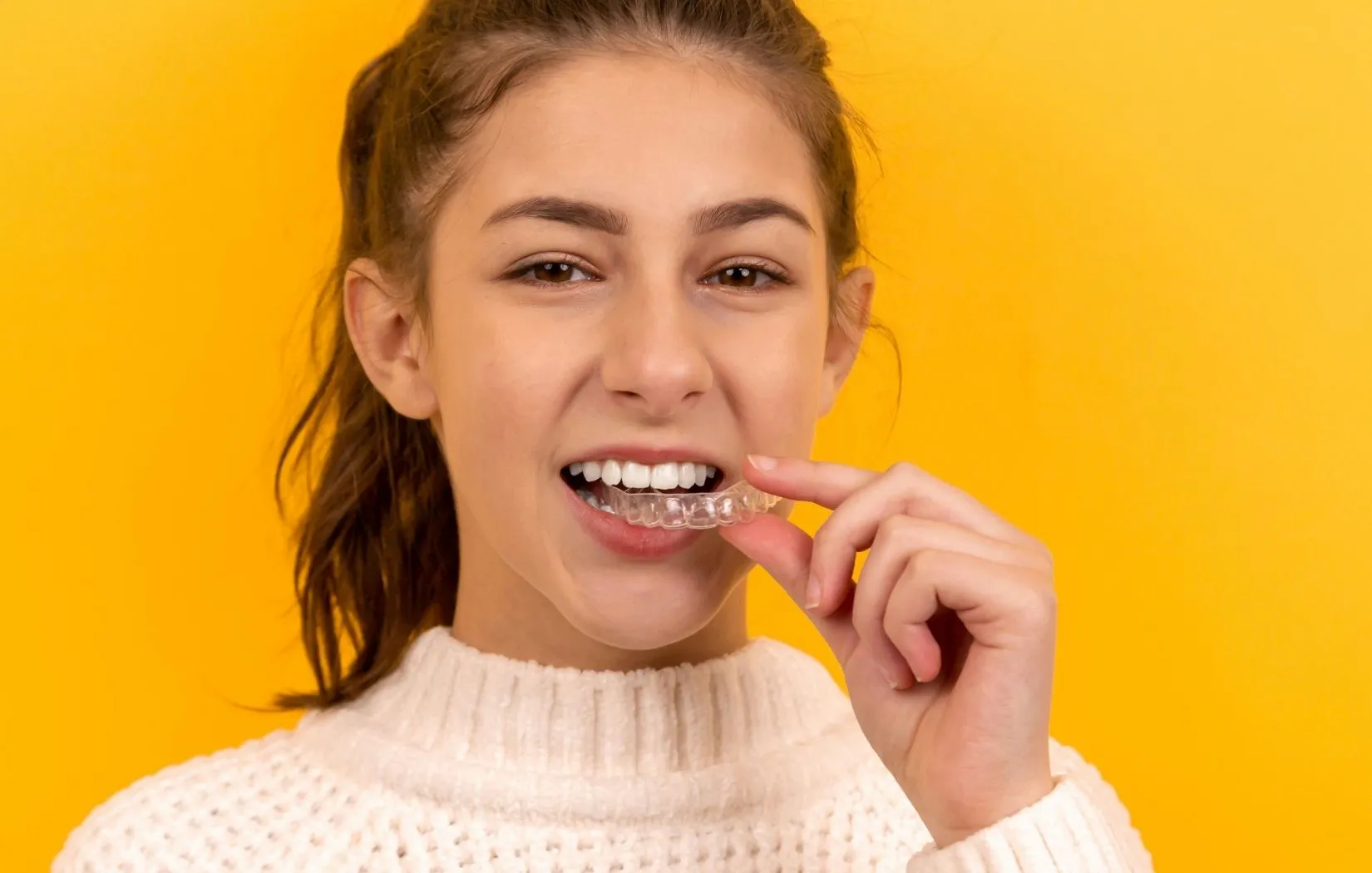
Most patients describe Invisalign as causing tenderness, tightness, or pressure rather than sharp or persistent pain. These sensations are most noticeable when you first start treatment or switch to a new set of aligners. In many cases, the discomfort only lasts a few days before your teeth adjust to their new home.
Why Does Invisalign Hurt?
There are a few common reasons Invisalign may cause temporary sensitivity:
- Your teeth are beginning to shift into new positions.
- You recently switched to a new aligner tray.
- The aligners feel tight during the first 24 to 48 hours.
- Certain teeth may be moving more than others.
- Attachments or aligner edges may create mild irritation at first.
- Removing aligners can feel uncomfortable early in treatment.
- More complex orthodontic cases may create slightly more pressure during movement.
At Biermann Orthodontics, we carefully plan each Invisalign case to keep treatment as efficient and comfortable as possible. Because the practice routinely handles more advanced orthodontic cases, patients can feel confident knowing their treatment is backed by precision and experience.
5 Tips for Managing the Discomfort of Invisalign
#1: Keep Your Trays In
It can be tempting to remove your aligners when your teeth feel sore, but wearing them consistently is one of the best ways to reduce pressure more quickly.
Taking trays out too often can cause your teeth to shift slightly, which can make the aligners feel tight again when you reinsert them. Consistent wear helps your teeth adapt and keeps your treatment progressing on schedule.
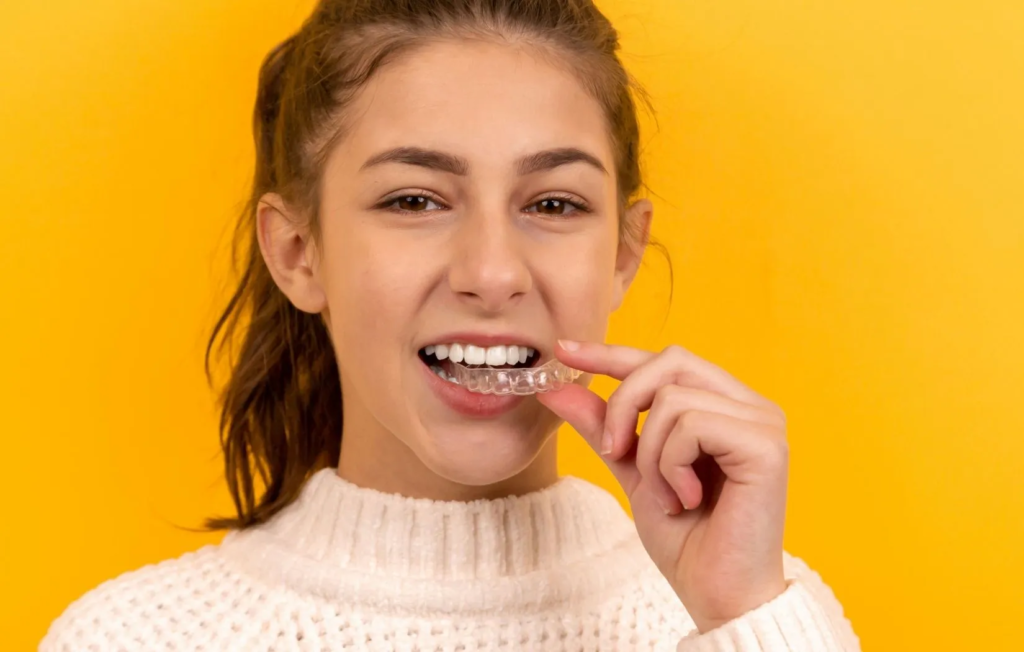
For best results, Invisalign aligners should typically be worn 20 to 22 hours per day.
#2: Start New Trays at Bedtime
Many Invisalign patients notice the most irritation during the first several hours after switching to a new aligner set.
Starting a new tray right before bed can help you sleep through the initial adjustment period. By morning, your teeth have often already begun adapting to the new aligners, making the toughest part of the transition feel much easier.
#3: Use Cold Water and Compresses
Cold temperatures can help calm inflammation and temporarily numb soreness.
A few simple ways to relieve discomfort include:
- Sipping cold water throughout the day
- Holding a cold compress against the outside of your cheek
- Eating cold foods like smoothies or yogurt
- Rinse with cool water after removing aligners
Note: Avoid extremely hot drinks while wearing Invisalign trays, since heat can warp the plastic.
#4: Use Orthodontic Wax and Over-the-Counter Painkillers
If an aligner edge is rubbing against your cheeks or gums, orthodontic wax can create a smoother barrier and reduce irritation while your mouth adjusts.
Some patients also choose to use over-the-counter pain relievers during the first day or two of a new tray. Acetaminophen or ibuprofen may help relieve temporary soreness when used as directed.
If discomfort feels severe or doesn’t improve after several days, it’s a good idea to contact your orthodontist for guidance.
At Biermann Orthodontics, patients appreciate the team’s quick response times and supportive approach whenever questions or concerns come up during a treatment.
#5: Choose Soft Foods
Your teeth may feel more sensitive during the first few days after getting a new aligner, especially when chewing. Softer foods can help minimize pressure and make meals more pleasant.
Some Invisalign-friendly soft foods include:
- Yogurt
- Smoothies
- Scrambled eggs
- Soup
- Oatmeal
- Pasta
- Mashed potatoes
- Rice
- Applesauce
- Soft fruits like bananas
Most patients find they can return to their normal eating habits soon after the initial soreness fades.
Commonly Asked Questions About How Much Invisalign Hurts
How Long Does Invisalign Hurt?
For most patients, Invisalign discomfort only lasts a few days at a time.
The first aligner tray is usually the strongest transition because your teeth are experiencing orthodontic movement for the first time. After that, mild soreness may return briefly whenever you switch to a new set of trays, but many patients notice it less as treatment progresses.
Most people describe soreness lasting anywhere from 24 hours to three days after changing aligners.
If pain feels severe, lasts longer than expected, or prevents you from eating or sleeping comfortably, it’s important to contact your orthodontist.
How Painful Is Invisalign on a Scale of 1–10?
Does getting Invisalign hurt? On a scale of one to ten, most patients rate Invisalign discomfort between two and four. The sensation is typically described as pressure or soreness rather than sharp pain.
Pain tolerance varies from person to person, but Invisalign is generally considered one of the more mild orthodontic treatment options available.
Some trays may feel tighter than others, depending on how much tooth movement is happening during that stage of treatment. Patients with more complex orthodontic cases may also experience slightly more pressure as teeth shift into alignment.
Does Invisalign Hurt More Than Braces?
No, generally braces are more painful than Invisalign, primarily because they use brackets and wires that can irritate the lips, cheeks, and gums, especially after adjustments. Invisalign trays are made from smooth plastic, so there’s usually less irritation inside the mouth.
Both Invisalign and braces work by moving teeth, so some tightness and soreness are normal with either treatment. The difference is that Invisalign tends to create more gradual force and fewer emergency visits for broken wires or brackets.
Many adults and teens also appreciate that Invisalign aligners are removable, which makes it easier to eat and brush tender teeth throughout treatment.
The right treatment option depends on your individual needs. Some complex orthodontic cases may still benefit more from braces, while others can be treated very successfully with Invisalign by an experienced orthodontist.
When Does Invisalign Stop Hurting?
Most patients stop noticing discomfort after the first few weeks of treatment.
Once your mouth adjusts to wearing aligners, the soreness that comes with each new tray often becomes much milder and shorter in duration. Many patients eventually reach a point where changing trays feels more like a slight pressure than actual discomfort.
Wearing your aligners consistently also helps reduce soreness over time. Patients who frequently leave trays out for long periods often experience more tightness when reinserting them.
Discover Why Biermann Orthodontics Is Beaverton’s Most Trusted Choice for Invisalign
At Biermann Orthodontics, patients receive personalized care in a calm, welcoming environment that feels far more relaxed than a typical clinical office. Dr. Matthew Biermann has spent more than a decade helping kids, teens, and adults achieve exceptional orthodontic results with Invisalign.
As Invisalign Platinum Providers, our team routinely treats everything from mild crowding and spacing concerns to impacted teeth and complicated referral cases from other dental professionals.
Patients throughout the Beaverton area trust Biermann Orthodontics because of our:
- Exceptional customer service
- Quick response times
- Advanced orthodontic expertise
- Friendly, approachable atmosphere
- Strong reputation for beautiful results
Whether you’re exploring Invisalign for cosmetic reasons or seeking solutions to a more complex orthodontic issue, contact Biermann Orthodontics to help make the process feel clear, comfortable, and customized to your needs.