Can Invisalign Cause Gum Recession? The Risks of Improper Invisalign Care
You catch your reflection and pause for a second. The aligners are barely noticeable, just like you hoped. But something feels off. Your gumline looks a little different than it did before. Maybe a little higher. Maybe a little uneven. It is enough to make you look twice.
Clear aligners make orthodontic treatment feel easy and low-key. No brackets. No wires. Just smooth trays doing their job in the background. Still, small changes can raise big questions.
Is this part of the process? Or something to be concerned about?
Worried about gum recession with Invisalign? Discover what may cause it, how to prevent it, and how to keep your smile healthy throughout treatment.
Table of Contents
- What Is Gum Recession?
- Can Invisalign Retainers Cause Gum Recession?
- 5 Potential Causes of Gum Recession During Invisalign Treatment
- Signs of Gum Recession To Look Out For
- How To Prevent Gum Recession When Using Invisalign
- Can Invisalign Cause Gum Recession? FAQs
- Biermann Orthodontics: Quality Care for Your Invisalign Treatment From Start to Finish
What Is Gum Recession?
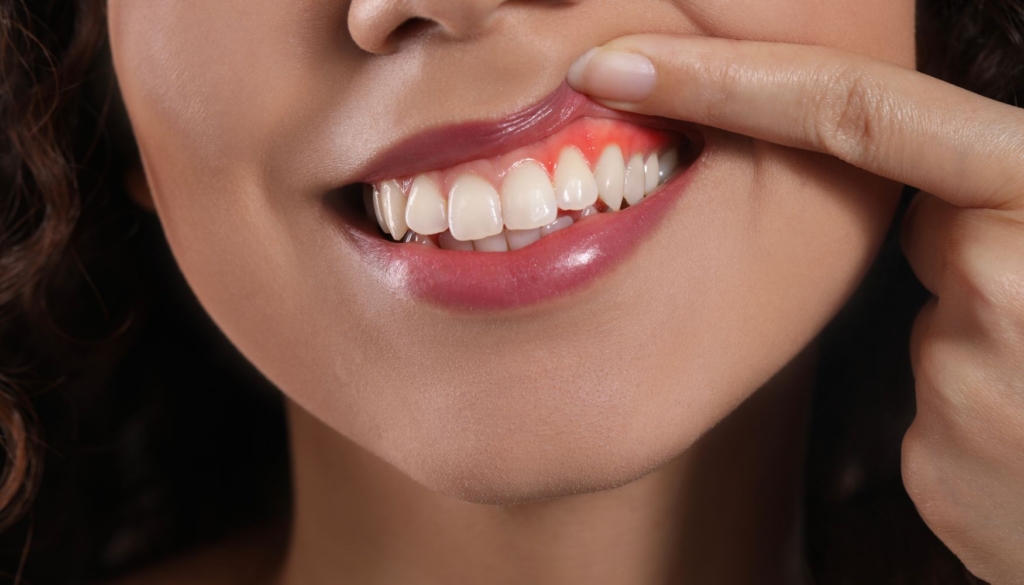
Gum recession happens when the gum tissue around a tooth slowly pulls back or wears away. This exposes more of the tooth, and sometimes even the root.
At first, it can be subtle. You might notice your teeth looking a little longer or feel a slight change along your gumline. Over time, it can lead to more noticeable symptoms.
If gum recession progresses, it can cause:
- Tooth sensitivity, especially to hot, cold, or sweet foods
- A higher risk of cavities along the exposed root
- Tender or irritated gums
- In more advanced cases, loosening of teeth or even tooth loss
There is not one single cause. Gum recession can develop for several different reasons, including:
- Periodontal disease, which damages the gums and supporting structures
- Brushing too hard or using a toothbrush with stiff bristles
- Genetics, since some people naturally have thinner or more delicate gum tissue
- Poor oral hygiene, allowing plaque and bacteria to build up along the gumline
Understanding what gum recession is and why it happens is the first step toward protecting your smile during any orthodontic treatment.
Can Invisalign Retainers Cause Gum Recession?
The short answer is yes, it can happen. But the risk is generally low when treatment is planned and monitored correctly.
As teeth move, the surrounding bone and gum tissue adjust with them. In some cases, this movement can place mild stress on the gums, especially if they are already thin or sensitive. This is not unique to Invisalign. Traditional braces can have a similar effect.
A few factors can increase the chances of gum recession during treatment:
- Pre-existing gum disease or inflammation
- Thin or delicate gum tissue
- Poor oral hygiene during treatment
- Ill-fitting or poorly monitored aligners
That said, Invisalign often does more good than harm for your gums.
By straightening teeth, aligners make it easier to clean along the gumline and between teeth. This reduces plaque buildup and lowers the risk of gum disease, which is one of the leading causes of recession.
At Biermann Orthodontics, every Invisalign treatment is carefully planned with your overall oral health in mind. As a Platinum Provider, the team has extensive experience treating both simple and more complex cases.
They also keep a close eye on your gums throughout the process, helping to:
- Prevent potential issues before they start
- Adjust treatment if your gums need extra support
- Work alongside your general dentist if additional care is needed
The goal is not just straighter teeth, but a healthier smile from every angle.
5 Potential Causes of Gum Recession During Invisalign Treatment
#1: Poor Oral Hygiene
If aligners are not cleaned properly, plaque can build up quickly. It can get trapped under the trays and between teeth.
Over time, plaque hardens into tartar and settles along the gumline. This irritates the tissue and can lead to inflammation, which increases the risk of recession.
#2: Bad-Fitting Aligners
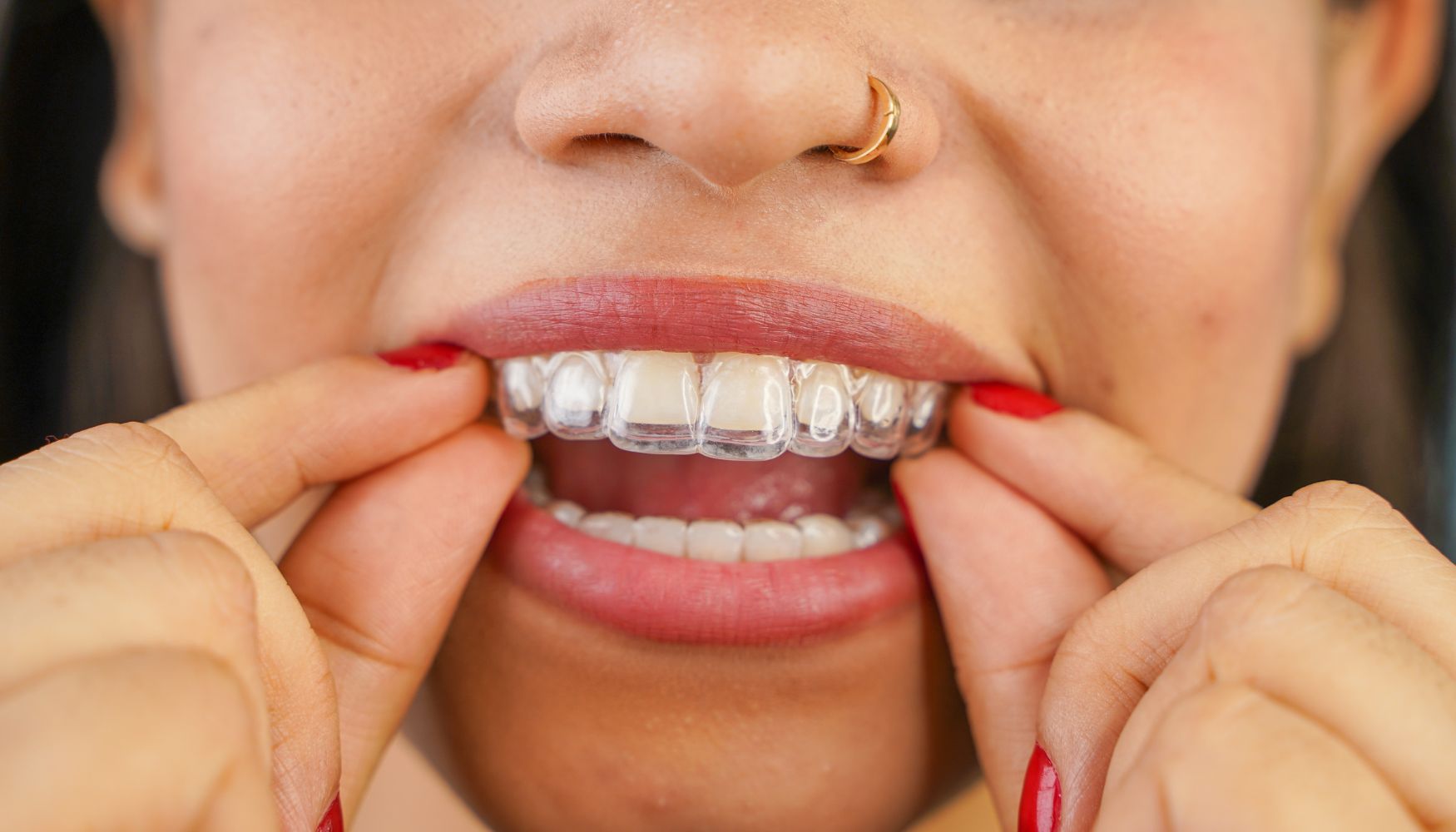
Aligners should fit snugly and comfortably. If they do not, they can rub against your gums.
This repeated friction may cause irritation or small cuts. Over time, that irritation can contribute to gum tissue wearing away.
#3: Excessive Force or Quick Tooth Movement
Teeth need to move at a steady, controlled pace. Moving them too quickly can put stress on the supporting structures.
Each tooth is supported by a ligament and surrounding bone. Too much force can compress the ligament and reduce blood flow, which may lead to tissue breakdown.
#4: Pre-Existing Gum Disease
If your gums are already compromised, they are more vulnerable during treatment.
Gum disease can cause inflammation, thinning tissue, and weaken the attachment between the teeth and gums. This makes recession more likely, even with properly planned orthodontic care.
#5: Wearing Aligners Incorrectly
How you wear your aligners matters more than you might think.
Common mistakes include:
- Not wearing them as prescribed
- Switching trays too early
- Wearing dirty aligners
- Eating or drinking with them in
- Ignoring discomfort or fit issues
These habits can lead to unnecessary stress on your teeth and gums, along with increased bacteria buildup around the gumline.
Signs of Gum Recession To Look Out For
Gum recession can be easy to miss at first. Small changes tend to show up before anything feels serious.
Keep an eye out for:
- Increased tooth sensitivity, especially to hot or cold
- Teeth that appear longer than before
- Visible root exposure
- Red, irritated, or tender gums
- Gums pulling away from the teeth
If something looks or feels off, it is worth getting it checked sooner rather than later. Early attention can make a big difference. At Biermann Orthodontics, Dr. Biermann and the team keep a close watch on gum health throughout Invisalign treatment, helping you stay comfortable and confident every step of the way.
How To Prevent Gum Recession When Using Invisalign
A few simple habits can go a long way in protecting your gums during treatment.
Focus on the basics:
- Maintain excellent oral hygiene by brushing and flossing consistently
- Follow your orthodontist’s instructions closely
- Make sure your aligners fit properly and feel secure
- Attend regular checkups to monitor progress and gum health
- Avoid smoking and other habits that can irritate the gums
- Do not ignore sensitivity, tenderness, or bleeding
Staying consistent with these steps helps keep your treatment on track and your gums in good shape. At Biermann Orthodontics, the team guides you through every phase of Invisalign, making sure your smile stays healthy as it transforms.
Can Invisalign Cause Gum Recession? FAQs
Is Invisalign Safe for Your Gums?
Yes, Invisalign is generally safe for your gums when treatment is properly planned and monitored. In many cases, it can actually support better gum health by making teeth easier to clean and reducing plaque buildup.
Problems are uncommon, but gum irritation or recession can occur if oral hygiene is poor, aligners do not fit well, or existing gum issues are not addressed before treatment.
Are Braces or Invisalign More Likely To Cause Gum Recession?
Neither option is automatically riskier than the other. Both Invisalign and braces can affect gum health depending on how the teeth move and how well oral hygiene is maintained.
Invisalign is often easier to clean around since the aligners are removable. Braces, however, stay fixed in place, which can make plaque control more challenging for some people. The bigger factor is not the appliance, but how well the gums are cared for during treatment.
Can You Treat Receding Gums From Invisalign?
Yes, gum recession can often be managed or treated, depending on severity. Early stages may improve with better hygiene, monitoring, and adjustments to orthodontic treatment.
More advanced cases may require care from a general dentist or periodontist, which can include deep cleaning or gum grafting procedures.
At Biermann Orthodontics, gum health is closely monitored throughout Invisalign treatment, and the team can coordinate care if any concerns arise to help protect your long-term smile health.
Biermann Orthodontics: Quality Care for Your Invisalign Treatment From Start to Finish
Choosing Invisalign is about more than straightening teeth. It is about feeling confident in your smile and being supported throughout the process.
At Biermann Orthodontics, care goes beyond aligners and appointments. Every treatment plan is thoughtfully designed, with close attention to both tooth movement and gum health from start to finish.
As a Platinum Provider, Dr. Biermann and the team bring extensive experience to both straightforward and complex cases. Patients are guided through each stage of treatment in a calm, welcoming environment that feels far from the typical clinical setting.
Whether you decide Invisalign is right for you or you choose to explore other treatment options, Biermann Orthodontics is here to provide expert guidance and support every step of the way.