what age can kids get braces

Early Orthodontics: When Is the Best Time for My Child To Get Braces?

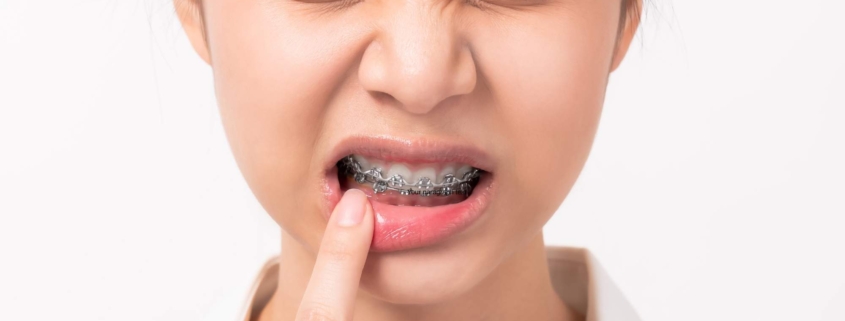
One moment, your child’s grin is full of baby teeth — and the next, a puzzle of gaps and twists.

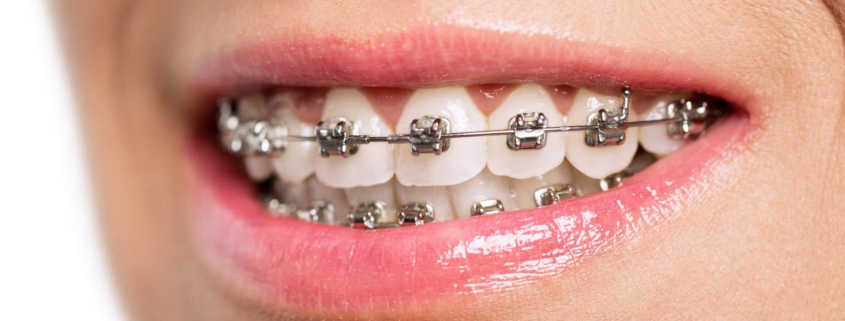
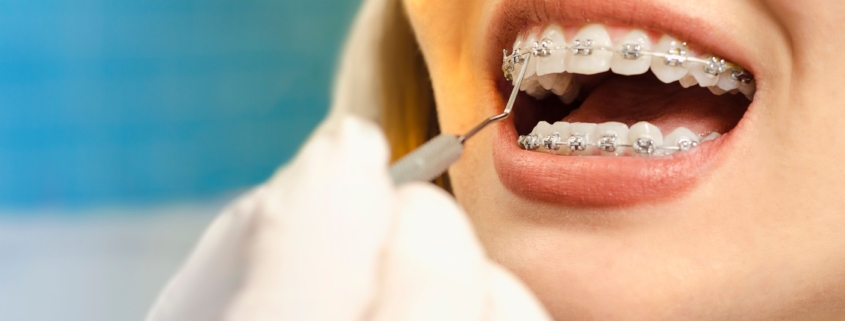
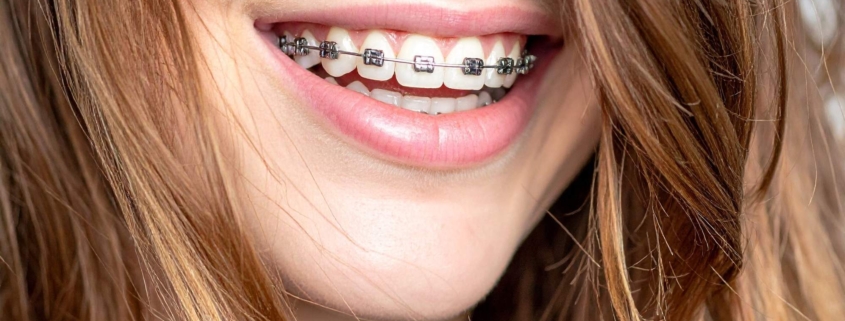
You’re probably wondering, “At what age can a kid get braces?” It’s a great question, because waiting too long can sometimes cause more trouble (and costs) later on.

Every child’s smile develops differently, and the right timing can make a big difference in long-term dental health.

Breathe easy as we walk through when kids typically get braces, what qualifies as early orthodontic care, and when it’s time for that first orthodontic visit.

Read more

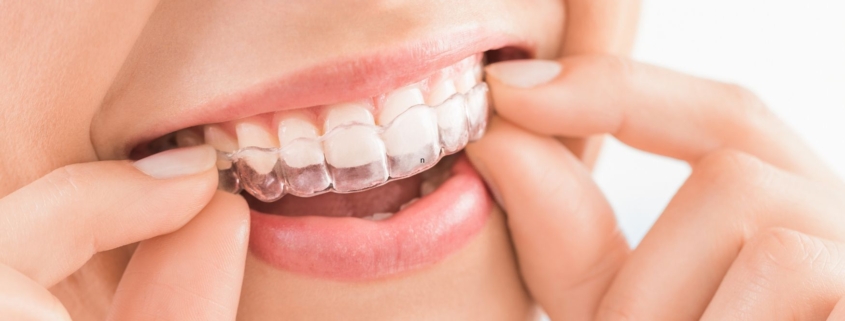
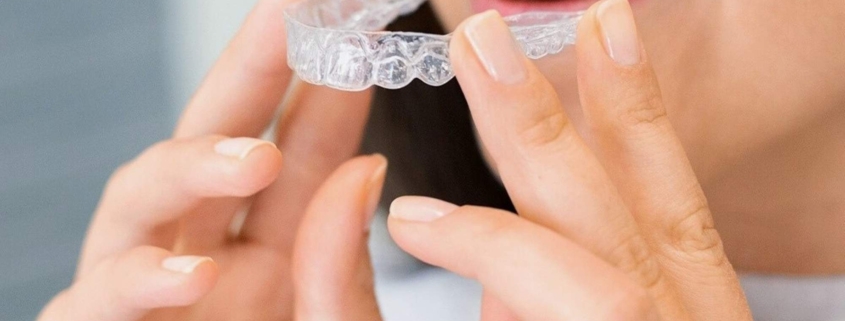
How Long Do Invisalign Retainers Last? Let’s Clear Things Up

Finishing orthodontic treatment and finally seeing the smile you’ve been waiting for is exciting — and naturally, you want to keep it looking that way forever. 

The great news is that with the help of a good retainer and proper care, it is possible to maintain your results and protect your smile for the long haul.

In this article, we’ll look at Invisalign retainers, how long they last, the signs that it might be time for a replacement, and the best ways to extend their lifespan so your smile stays as strong and beautiful as the day your treatment finished.

Read more

TYPES OF GUM DISEASE

Types of Gum Disease

Featured on Perio.org

Types of Gum Disease

Untreated gingivitis can advance to periodontitis and can eventually lead to tooth loss and other health problems.

Read more

Diabetes doubles tooth loss for US adults

Diabetes Dentistry Diabetes Doubles Tooth Loss for US Adults

Although tooth loss has decreased over the last four decades, U.S. adults with diabetes lose twice as many teeth as adults without diabetes. Black Americans with diabetes are at greater risk of experiencing tooth loss as they age than white or Mexican Americans with diabetes, Duke University researchers report.

The study assessed National Health and Nutrition Examination Survey (NHANES) trends in tooth loss from 1971-2012. While overall tooth loss declined over the 40-year study period, tooth loss remained more common in people with diabetes. Black Americans with diabetes lost more teeth than white and Mexican Americans with diabetes. The researchers suggest this difference could be a result of historical challenges non-Hispanic blacks faced in obtaining proper dental care because of a lack of dental services and dental knowledge.

Read more

Dentistry Nutrition / Diet Soda and fruit juice are 'biggest culprits in dental erosion'

Diet Soda and fruit juice are ‘biggest culprits in dental erosion’

Article by David McNamee | Featured on Medical News Today

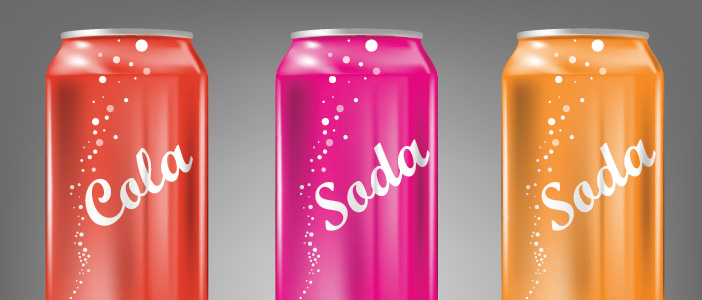
Soft drinks are the most significant factor in severity of dental erosion, according to a new study published in the Journal of Public Health Dentistry.

Dental erosion is when enamel – the hard, protective coating of the tooth – is worn away by exposure to acid. The erosion of the enamel can result in pain – particularly when consuming hot or cold food – as it leaves the sensitive dentine area of the tooth exposed.

The enamel on the tooth becomes softer and loses mineral content when we eat or drink anything acidic. However, this acidity is cancelled out by saliva, which slowly restores the natural balance within the mouth. But if the mouth is not given enough time to repair itself – because these acid attacks are happening too often – the surface of the teeth is worn away.

Read more

Keeping Your Smile Pretty

How to Keep Your Smile Pretty and Healthy

by Jeannie Kim | From Health magazine

These days, it seems like everyone’s obsessed with getting a blindingly white grill. But there’s more to taking good care of your mouth than having a soap-star smile.

The condition of your teeth and gums is associated with a host of other health issues that involve your hormones and your heart, and your dental needs can change from decade to decade. Here’s how to keep smiling strong at any age.

Your 30’s: Heed Your Hormones

If you’re pregnant, you might not feel like dragging yourself to the dentist, but you should do it. Higher levels of estrogen and particularly progesterone can result in puffy, tender gums that are vulnerable to minor infection.

Flossing is especially important, experts say, because it helps cut the risk of periodontitis, a more serious gum infection that can endanger more than your teeth: some studies have linked untreated periodontal disease to preterm and low-birth-weight babies.

Perfect Your Stroke

Many adults never learned how to brush and floss properly, says Irwin Smigel, DDS, president of the American Society for Dental Aesthetics. Use a soft brush that has rounded nylon bristles and make gentle circular motions at a 45-degree angle to your gum line.

If flossing hurts or makes your gums bleed, keep working at it. “The more you floss, the tougher your gums become,” explains Paula Jones, DDS, immediate past president of the Academy of General Dentistry.

Read more

Healthy Foods For Teeth

Eat And Drink Your Way To A Whiter Smile

Article Featured on MSNBC

Stars like Jessica Alba and Scarlett Johansson need killer smiles for their livelihood, but for us mere mortals, a whiter, brighter smile can do wonders for our appearance and self-confidence. Plus, surveys reveal that one of the first things that people notice about others is their smile, and as that old saw goes, you only get one chance to make a first impression.

Dr. Timothy Chase, a 15-year veteran of cosmetic dentistry in New York City says white teeth and healthy gums can take 10 years off your appearance. And while professional dental products work best for whitening,  what you eat and don’t eat can play a huge role in how white your teeth are.  It seems certain fruits, vegetables and other foods can aid in your quest for whiter teeth. Here’s what you should know about the white smile diet:

Read more

Oral Health Challenges for Children with Disabilities

6 Oral Health Challenges for Children with Disabilities

​Some children with disabilities have challenges that affect their oral health. These challenges may include:

  • 1. Children with physical disabilities, such as cerebral palsy, may not have the motor skills needed to use a toothbrush safely or to sit still in a dental chair during dental visits.
  • 2. Children with intellectual disabilities may not know how to brush their teeth, protect their teeth from injury, or cooperate with dental office staff while getting oral health care.
  • 3. Children with communication disorders, such as delayed speech and language development, may not be able to tell their parents that their mouth hurts or they have a toothache.
  • 4. Children who get frequent medical care, such as having many doctor visits or hospital stays, may be afraid of the dental office and may not cooperate during visits.
  • 5. Children who take medicines with added sugars or that cause dry mouth are at high risk for tooth decay. Sugar is added to some medicines to make them taste better. Other medicines used to treat cerebral palsy, seizures, and depression can cause dry mouth by lowering the amount of saliva in the mouth. Saliva plays an important role in preventing tooth decay. Medicines given to children with medical diseases or disorders, such as asthma or allergies, can also cause dry mouth.
  • 6. Children on special diets may be at high risk for developing tooth decay. Foods that are soft or high in starch (for example, potatoes or corn) stick to children’s teeth and give caries-causing bacteria in the mouth more time to cause tooth decay.

Article Featured on Healthy Children


Looking for an orthodontist in Beaverton, Oregon? Biermann Orthodontics is a cutting-edge orthodontic practice that serves Beaverton and Molalla, OR, and focuses on providing world-class customer service and efficient treatment. We strive to create stunning smiles in the shortest amount of time without ever sacrificing quality.

Visit our Locations page to find a clinic near you, or schedule an initial consultation.

Biermann Orthodontics

503-690-0722
17885 NW Evergreen Parkway, Suite 200
Beaverton, OR 97006

Healthy Diet For Kids

Healthy Teeth and Your Child’s Diet

Article Featured on HealthyChildren

Besides regular toothbrushing, your child’s diet will play a key role in his dental health.

Why Sugar is the Big Villain

The longer and more frequently his teeth are exposed to sugar, the greater the risk of cavities. “Sticky sugar” foods such as sticky caramel, toffee, gum, and dried fruit—particularly when it stays in his mouth and bathes his teeth in sugar for hours—could do serious damage.

  • Make sure to always brush your child’s teeth after a sugary food item.
  • Do not allow young children to have any sugar-containing liquid in a sippy cup for a prolonged period. 

Read more

Facts About Tooth Decay

Facts About Tooth Decay

Article Featured on ncohf.org

Did you know that pediatric dental disease, also referred to as childhood tooth decay, is the #1 chronic childhood illness?  When left untreated, childhood tooth decay can have devastasting consequences that extend beyond the dental chair. Rampant decay can negatively impact a child’s overall quality of life, inhibit their cognitive and social development and compromise their growth, function and self esteem.

  • Pediatric dental disease is 5 times more common than asthma and 7 times more common than hay fever.
  • Left untreated, pediatric dental disease can lead to malnourishment, bacterial infections, required emergency surgery and even death.
  • Pain and infection caused by tooth decay can lead to problems in eating, speaking and learning.
  • Dental disease has been linked to heart disease, stroke, diabetes, pneumonia, poor pregnancy outcomes and dementia.

THE GOOD NEWS? TOOTH DECAY IS PREVENTABLE!

Read more