The Orthodontic Dilemma: How To Know If You Need Braces
Occasional jaw soreness or difficulty chewing can be easy to ignore. Crooked teeth or a shifting bite can be brushed aside as a cosmetic issue.
However, these signs may be an indication that there are underlying alignment problems. These problems can affect everything from your long-term dental health to your overall well-being.
Braces are designed to correct many alignment issues. So, how do you know if you will need braces?
This article will explore common indicators that you may need orthodontic care, as well as the possible results of failing to correct dental issues.
Table of Contents
- How Do You Know If You Need Braces?
- 5 Clear Indications It’s Time To Seek Orthodontic Care for Braces
- 3 Results of the Failure To Apply Braces When Needed
- Act Now To Improve and Maintain Oral Health With Biermann Orthodontics
How Do You Know If You Need Braces?
The best way to know if you need braces or not is to receive a professional assessment. However, there are some signs concerning appearance, jaw function, and oral hygiene that may point to a necessity for braces.
Appearance factors include:
- Overbite
- Underbite
- Open bite
- Gaps
- Overlapping teeth
- Jaw pain
- Trouble chewing
Oral hygiene factors include:
- Difficulty brushing
- Difficulty flossing
- Worn-down teeth due to an uneven bite
5 Clear Indications It’s Time To Seek Orthodontic Care for Braces
#1: Crowded Teeth
If your teeth are too crowded, it can be problematic. Teeth that are too close together may prevent you from flossing properly, leading to trapped food, plaque buildup, and tooth decay. Trapped food and bacteria may also lead to bad breath, gingivitis, and possible tooth loss if left untreated.
Additionally, crowded teeth may also cause structural problems, including:
- Misaligned bites that may cause pain and jaw stress
- Wearing, chips, or cracks in the enamel due to teeth rubbing against one another
- Difficulty chewing food properly
- Interference with speech and pronunciation
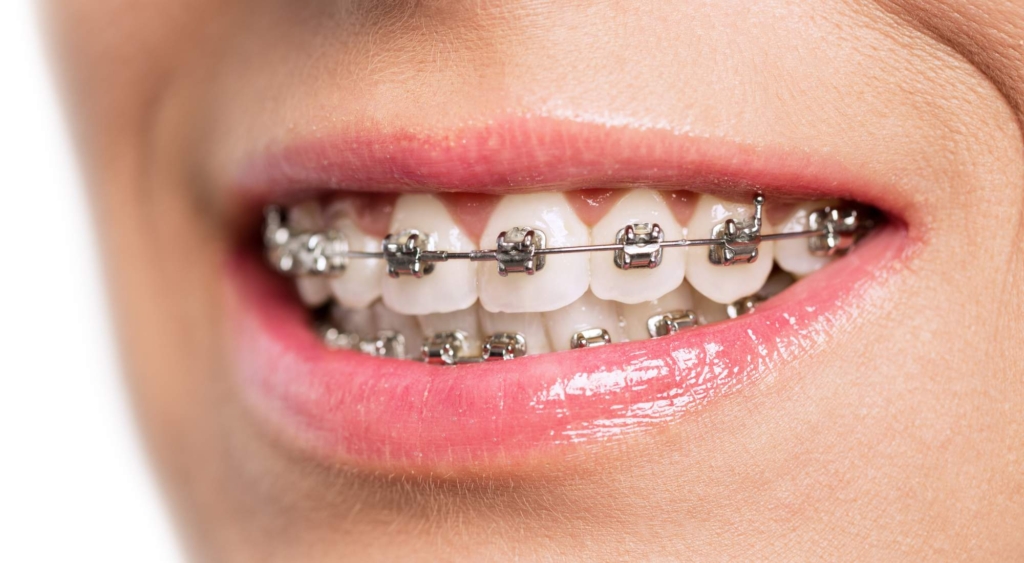
Crowding won’t resolve on its own, but braces can help. Braces put steady pressure on your teeth to move them in the direction needed to get them spaced properly.
Biermann Orthodontics specializes in braces and Invisalign to help you find comfort and smiles that you love. Our team utilizes the latest technology and personalized care plans to meet your needs.
#2: Gaps or Spaces Between Teeth
Gaps or spaces between your teeth can be equally problematic with similar consequences.
Gaps make it easy for food and bacteria to remain stuck between the teeth, leading to plaque and tartar buildup as well as tooth decay and halitosis, or bad breath. Because the gums between the teeth are exposed, they become more susceptible to gingivitis and gum disease.
Gaps and spaces may result in jaw issues and speech difficulties. Because of gaps, the teeth can shift and create a misaligned bite, leading to jaw pain, premature wear on the teeth, and difficulty chewing. Gaps can also lead to speech issues, such as lisps, because gaps affect the way you form sounds.
Braces work to repair the problem by bringing your teeth back together, whether the gap is in the front or on any of your other teeth.
#3: Crossbite
A crossbite is when your teeth are misaligned when you close your mouth. Crossbites can occur with single teeth or with groups of teeth and cause irregular wear and damage to your teeth.
Uneven wear causes:
- Enamel erosion
- Chips
- Fractures
- Sensitivity
- Decay
- Plaque buildup
- Gum inflammation
Crossbites may cause more serious consequences, such as affecting facial development, because the jaw grows unevenly. This may cause migraines and jaw pain, or obstructed airways during sleep.
This issue is best solved with braces in early childhood. During early childhood, the body is still developing, and braces can help guide jaw growth to prevent permanent structural damage.
#4: Overbite or Underbite
An overbite occurs when the top row of teeth extends significantly over the bottom teeth when your mouth is closed. A slight overbite is typical, but when top teeth cover the bottom teeth by at least 30%, the overbite can become problematic.
An underbite is just the opposite. The lower teeth extend significantly over the top teeth when your mouth is closed. Not only can an underbite be uncomfortable, but it can also cause problems with chewing, digestion, and even sleeping.
The issues resulting from overbites and underbites include:
- Quicker enamel erosion
- Chips or cracks
- Strain on your muscles and jaw, causing pain and stiffness
- Difficulty with chewing food properly
- Narrowing of the airways, potentially leading to sleep apnea
- Risk of gum recession and gum disease
- Difficulty articulating certain sounds
- Altering the facial structure
Braces, brackets, and wires are used to apply gentle pressure to the teeth and gradually shift them to help the jaw be properly aligned. In very complex cases, expanders and elastics may need to be used in conjunction with the braces.
#5: Midline Mismatch
A midline mismatch occurs when the center of the top row of teeth does not line up with the center of the bottom row of teeth.
Midline mismatches may be problematic because they:
- Hinder the ability to chew properly
- Cause more pressure during chewing may lead to cracks and fractures
- Make teeth harder to clean, leading to the risk of decay and gum disease
- Lead to speech issues
- Can happen in conjunction with crossbites, overbites, or underbites
Braces can help correct a midline mismatch because pressure can be applied to the teeth with the brackets to ensure that the teeth move so that the upper and lower teeth meet properly at the centerline.
3 Results of the Failure To Apply Braces When Needed
While each case is different in severity, failing to get braces may have an impact on your dental health.
#1: Poor Dental Health
Teeth that aren’t aligned properly are harder to clean and floss. Food particles may become stuck easily, leading to plaque and bacteria build-up, and resulting in tooth decay.
Poor oral hygiene may also result in inflammation of the gums, or gingivitis. If left untreated, gingivitis can morph into periodontitis, which may damage the tissues and bones around your teeth and cause tooth loss.
Braces or orthodontic treatments can help correct the teeth alignment, making it easier to keep your gums and teeth properly cleaned.
#2: Increased Stress on Teeth
Tooth misalignment may cause physical stress on your teeth and jaws. When you bite down, the uneven bite can cause your teeth to wear down unevenly, causing chipping, cracking, and enamel erosion.
This wear and tear may lead to heightened sensitivity and pain. It may result in the need for expensive dental work, like crowns, to restore your teeth.
Braces can effectively assist with aligning your bite. When the pressure is even when you chew, the risk of damage is minimal.
#3: Speech Problems
Crooked, gappy, or misaligned teeth can cause speech problems. You may find that you have difficulty producing certain sounds or words, or have a lisp or slur.
If the teeth are left alone, children may experience speech problems into adulthood. This can lead to self-consciousness as adults in many social settings.
Using orthodontic treatment to properly align the teeth can help improve speech considerably.
Act Now To Improve and Maintain Oral Health With Braces From Biermann Orthodontics
At Biermann Orthodontics, we will conduct a thorough oral exam at your initial consultation and discuss what results you wish to see with treatment. We will provide a plan that will give lasting results, giving you confidence in your smile.
If you experience any of the signs that you need braces and don’t want to risk the results of going without treatment, our experienced and talented team will work with you. Our goal is to create a comfortable and rewarding experience, addressing your unique needs.
If you are ready to take control of your smile and dental health, contact us today for an appointment request.
The content in this blog is not intended to be a substitute for professional medical advice, diagnosis, or treatment. Always seek the advice of your physician or other qualified health provider with any questions you may have regarding a medical condition.